9 Practical Environmental Self Care Ideas for Mama Bears
Last year, I got a BIG lesson on the importance of environmental self care. The sad part is that I was completely blind to the dangers until my son got sick. The good (and lucky) part is that we were able to make immediate changes once we found out.
Your environmental wellness begins with your awareness and action. And it immediately affects the mental, physical, and energetic health of you and your family.
Find out why it is increasingly important to make a conscious effort to care for your environment, and why caring for our Mother Earth is a type of self care. Then, see if any of the following nine environmental self care ideas would help you and your family live a happier and healthier life.
Importance of Environmental Self Care: Our Journey
Our Home Made Us Sick
This is a topic dear to my heart, as we recently went through a flurry of activities to improve the health of our home.
We had completed a thorough inspection of our home upon its purchase four years ago. No mold, no asbestos, no lead, and minimal radon. We thought we were set.
Two years into living here, my youngest son started developing asthma. His body reacts severely to certain foods, so this wasn’t a complete surprise. (Food allergy sufferers tend to also suffer from environmental allergy and asthma.)
But my otherwise healthy daughter also showed signs of developing environmental allergies. Then, my son started to lose his breath just from laughing. Frequent coughs were disturbing his sleep. I was desperate to investigate further.
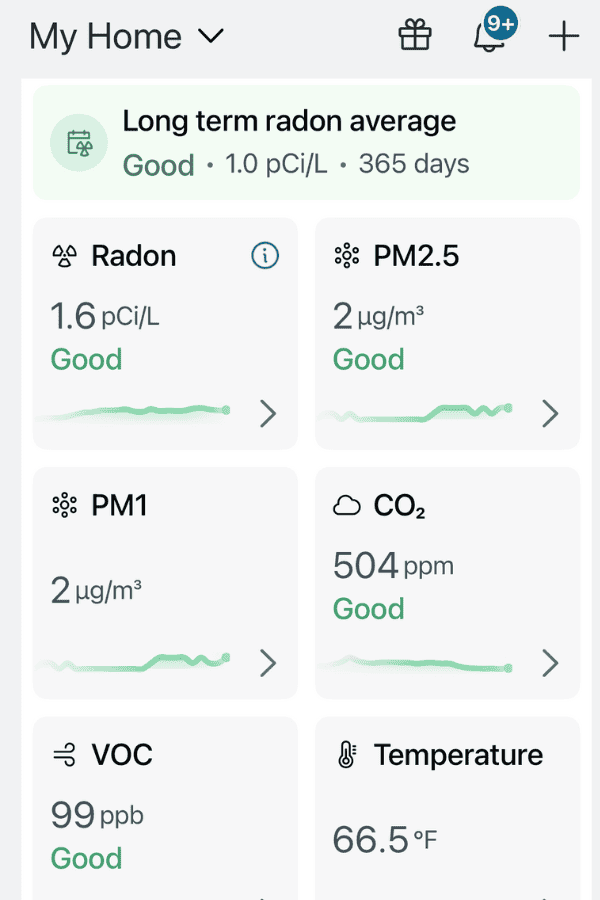
We hired a mold and air quality specialist to test our home. Results showed that we were indeed safe from mold. But the volatile organic compounds (VOCs) and carbon dioxide (CO2) measurements were way, way beyond safe levels, making the air ripe for developing asthma.
Toxins in The Air
The reasons were many.
Previous owners had insulated our roof with spray foam. This is great for temperature retention and energy efficiency, but terrible for air circulation. Some speculate that spray foam could be the next asbestos of our generation, but we had no idea.
We had not cleaned the grills of our baseboard radiator after we moved in. A full inch of dust, dog hair, and random items were being cooked every time the heat came on.
We also had a gas stove that released harmful substances every time we cooked. I’d once read an article that said kids living in homes with natural gas stoves were more likely to develop asthma. I’d only laughed it off.
Our home was slowly choking our son and the rest of us.
One of the professionals who later came to help us compared it to “living in a plastic bag.” He added that most homes were now being built this way, with spray foam everywhere, for energy efficiency.
Cleaning Up
After the initial stage of shock and regret passed, the mama bear in me kicked in with full force.
I got to work cleaning our radiators with a powerful vacuum, a paint brush, and a face mask. We replaced our gas stove with an induction one. I now use only non-toxic products to clean my home.
We also installed an energy recovery ventilator (ERV) as an addition to our HVAC system. It literally keeps the house breathing, inhaling fresh air and exhaling stale air while keeping the indoor temperature consistent.
We have loved these changes for many different reasons. But mostly, we now breathe in clean and fresh air.
Our air quality monitor now consistently shows me all green lights, most of the time. My son’s lung capacity went from 68% to 103% in about three months. Both results are with the support of medicines, but we are working on reducing his reliance.
But here is the thing. I realized firsthand that environmental self care extends beyond the walls of our home.
I mean, I’ve always cared about the environment. I did a ton of research on climate change, its impacts, and our role in causing it for my professional work.
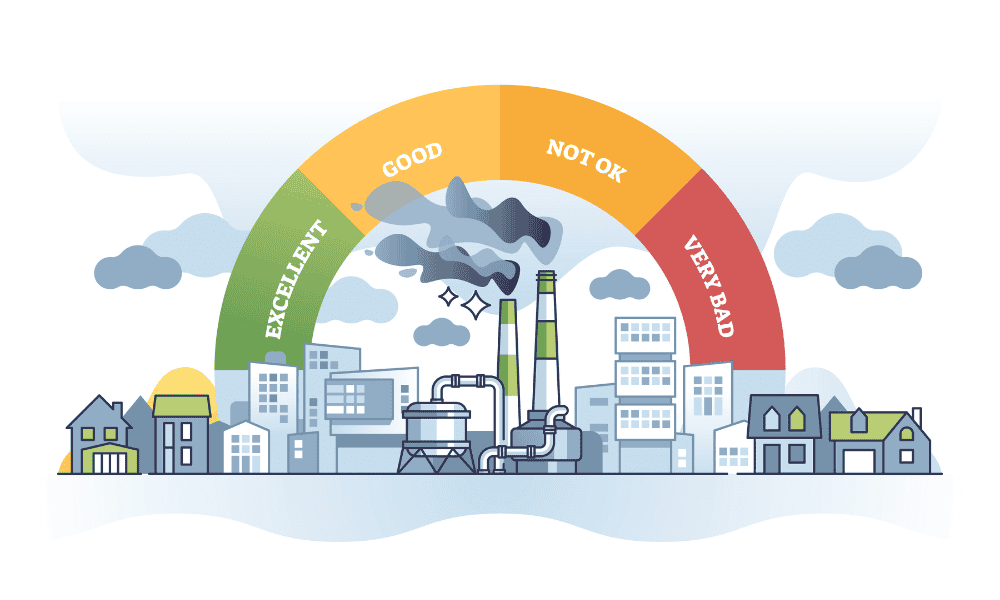
But now I have to watch our in-home air quality fluctuate based on what’s going outside. The wildfires, smog, and even what’s coming out of the neighbor’s chimney. If there’s no clean air to bring in, then our ventilator can only do so much.
Our health is deeply connected to the health of our natural surroundings, so much more than we realize.
What is Environmental Self Care?
Environmental self care is consciously taking care of your physical environment so you can live a safe and healthy life.
You can proactively take steps to create a safe and healthy environment for yourself and your family before anyone gets sick. You can also care for Mother Earth by making eco-friendly choices, as a long-term practice of environmental self care.
I hope my story serves as an opportunity to take a fresh look at your environment.
So, without further ado, here are the top nine environmental self care practices for a healthy life.
RELATED POSTS:
- Holistic Self Care for Moms: 7 Essential Dimensions
- 16 Proven Spiritual Self Care Practices to Nurture Your Soul
- 15 Easy Physical Self Care Examples for Moms
- 6 Essential Social Self Care Tips for Moms and Why You Need Them
- 16 Soothing Emotional Self Care Habits for Moms
- 10 Easy Mental Self Care Tips for Busy Moms
- 8 Smart Financial Self Care Steps for Every Mom
9 Practical Environmental Self Care Examples
1. Declutter Your Space
I’m always trying to motivate my kids to clean up their toys. From the floor, the couch, the bathroom sink, and the top of their beds. They mostly do, and are very good at it when they’re in the mood. Still, it’s a constant battle.
A clean and organized space free of clutter creates a sense of calm. It helps your ability to relax and recharge, and to think clearly.
I once heard a saying that your outer environment is a direct reflection of your inner environment.
But the opposite is also true. If your outer environment is chaotic, then it will impact your inner environment negatively. You’re constantly having to process everything around you in your brain, and that takes more energy!
A clean and organized space also lets more energy flow. The more stuff you have sitting around, the more stuck energy you have around you. Meaning, less room for new energy to come in. Plus, a clean environment is just easier on our nervous systems.
Periodically go through your belongings to see if they need to be there. Keep what you love, and give away what you don’t.
2. Clean Your Personal Space Regularly
This is an extension of decluttering, and maybe a no-brainer. But I’ve also seen situations in which this is definitely not the norm.
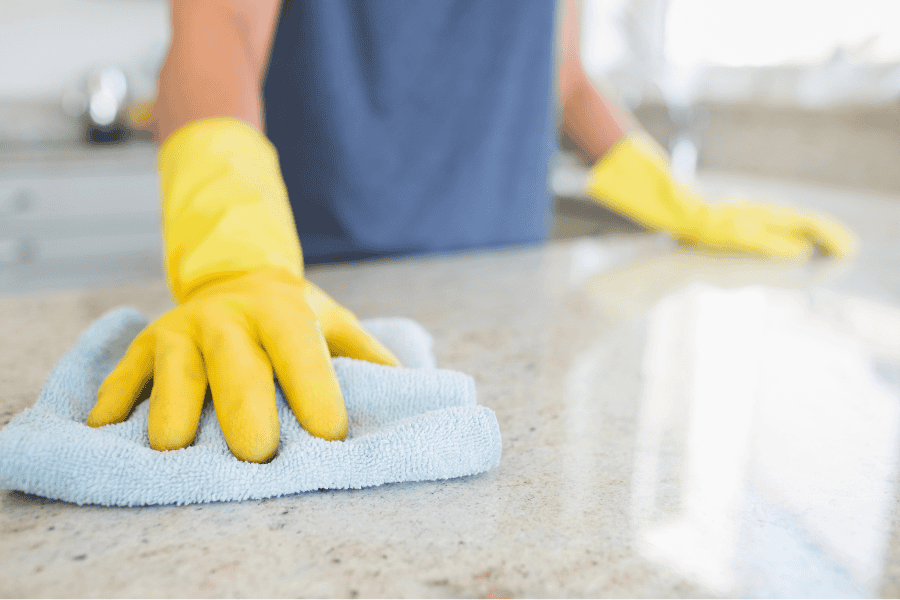
Whether it’s every other week or once a week (we aim for once a week), take the time to give your home environment a good cleaning. For me, that means that I vacuum, mop, and dust our space, as well as cleaning the bathrooms.
If you have the time, taking care of your space in this way can be a joyful exercise of environmental self care. It’s also something that you can get the whole family involved in. My kids love cleaning the windows and mopping the floors!
Listen to fun music or an interesting podcast. You might find cleaning to be a fun and satisfying self care routine!
3. Use Nontoxic Products
Cleaning products such as bleach and ammonia emit toxic fumes that your body then has to work extra hard to expel. For our little ones, this could be an attack on their system.
I’d actually started using non-toxic cleaning products even before our air quality test. I’d noticed that my son started coughing after the bathroom was cleaned with bleach.
At first, I switched to less toxic, all-purpose cleaning products. But even those emitted strong smells. They also included a variety of ingredients that I didn’t have time to investigate individually.
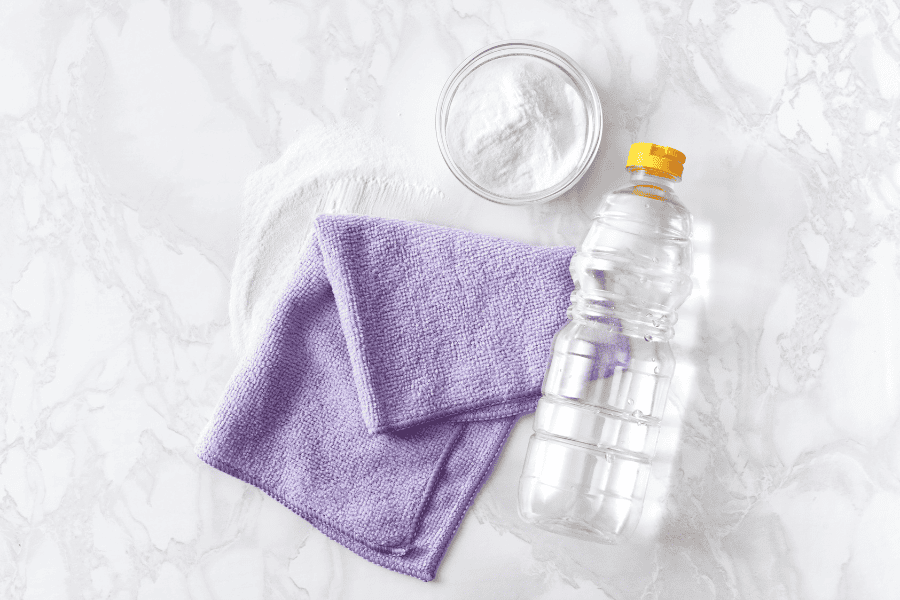
Then I learned that mold and fungus are better cleaned with vinegar and baking soda. So that’s been my main cleaner for the bathrooms, plus hydrogen peroxide and enzyme-based cleaners.
And guess what? Most of these are SO MUCH cheaper than the conventional choices, especially if you get them in bulk!
It’s been almost a year since this switch, and I do not miss a thing about the harsh chemicals.
Take an inventory of your cleaning supplies and see if there’s anything you can replace with gentler, safer alternatives.
4. Check For Any Toxins in Your Home
This one might sound similar to #3, but it is different. We’re talking about monitoring for lead, asbestos, and mold in your living space.
These toxic substances can be in your walls or even in your water.
There’s no reason to panic and go order expensive tests if you know your home pretty well. But if you have any existing health issues, checking for these might give you some clues as to what may be harming your health.
Environmental testing is one of the first steps you complete if/when you start working with a naturopathic doctor.
7. Reduce Plastics, As Much As You Can
This is one of the toughest challenges, I find. Plastics are EVERYWHERE these days, and it’s overwhelming to count just how many ways we come in contact with them.
Well, I really don’t want to bring you down, but you need to know this if you don’t already.
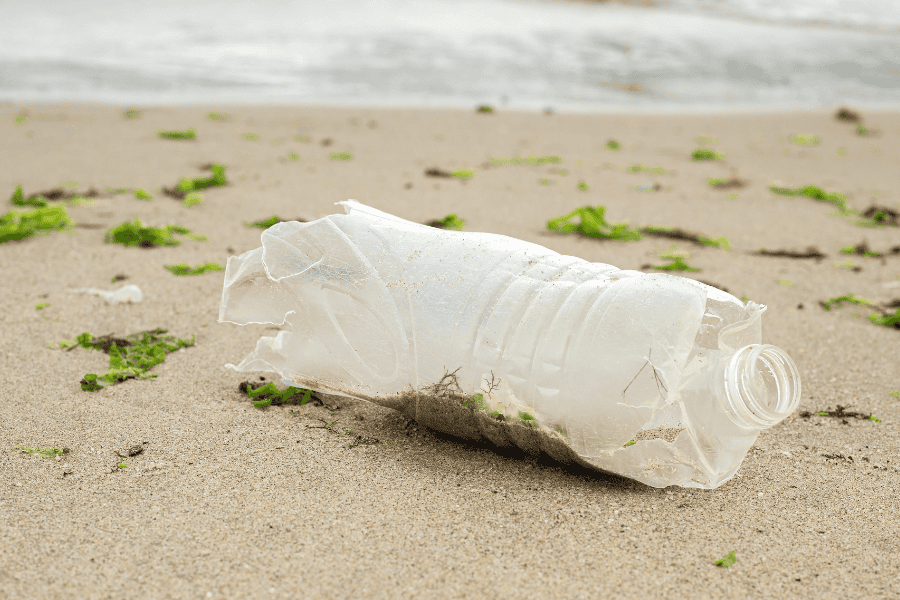
Microplastics and their even smaller cousins, nanoplastics, have been found everywhere: in drinking water, fruits and vegetables, and about 90 percent of proteins, including plant-based ones.
While contaminated foods are the most common form of exposure to humans, microplastics can also harm you through the air you breathe and the things you touch. And researchers are finding them everywhere in the human body, at an increasing rate.
Scientists are just starting to understand plastics’ impact on the human health. But according to Standford Medicine, “Animal and cellular studies have linked microplastics to biological changes including inflammation, an impaired immune system, deteriorated tissues, altered metabolic function, abnormal organ development, cell damage and more.”
This is some scary stuff.
I have no idea if I’ll ever get to 100% (what about the Legos???), but I’ve been trying to reduce plastics in my home, especially in the kitchen.
We do not use any non-stick cookware that uses those forever chemicals (PFAs and PFOAs). We‘ve replaced all of our food storage containers with glass; my kids’ lunch and snack boxes have been, for almost six years, stainless steel. (Go Lunchbots!)
I also try to use cotton produce bags for shopping, and to transfer fruits into non-plastic containers when they come home from the store.
It’s an uphill battle, I find. But I keep on trying and continue to reach for the lower-hanging fruits. Maybe I’ll eventually get there, one day.
Are there plastics in your kitchen that you can easily replace? Maybe today’s the day to pull the trigger.
6. Monitor Your Home’s Air Quality and Ventilate Regularly
Depending on how well your house ventilates, regular opening of windows to let in fresh air is a great idea.
During our ERV installation stage, my husband shared a story from his travels in Germany. His host in the country had insisted that they open the windows every evening to circulate the air.
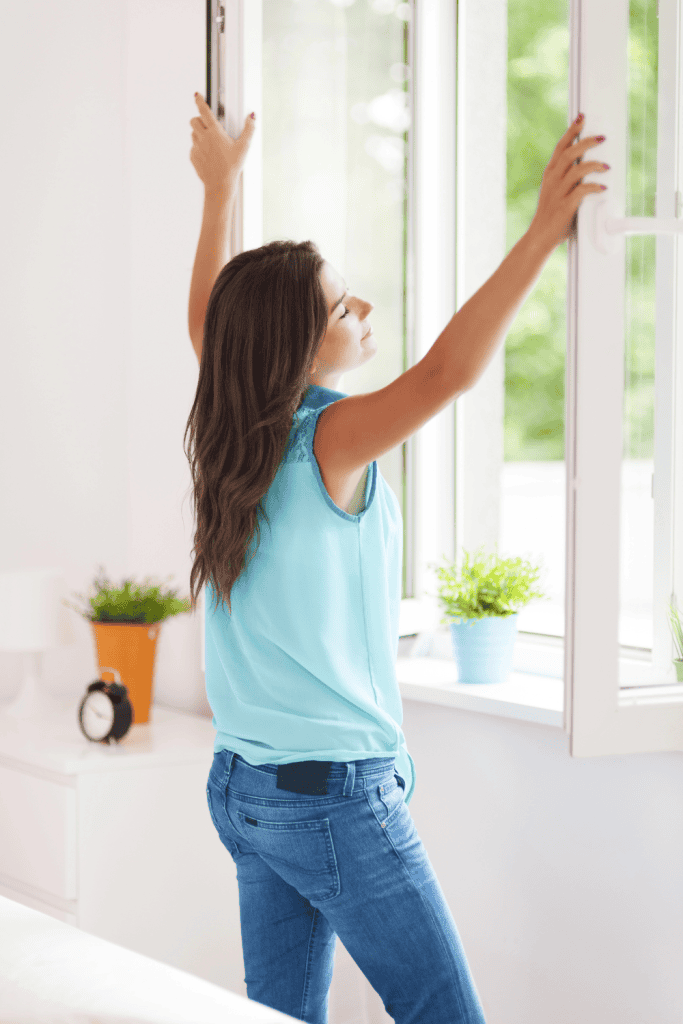
This is a tradition called “Lüften.” Depending on the season and size of the space, Germans make it a point to open the windows to let in more oxygen and let out carbon dioxide, dust, and any moisture.
While there is no reason to suspect that you are in any danger from the air quality of your home, consider regularly opening your windows for some fresh air.
If you do have any respiratory conditions, it may be worthwhile to invest in an air quality monitor. We use one made by the brand Airthings and have been happy with it.
7. Clean the Energy of Your Space
Occasionally, I clean my home energetically after I physically clean it. This means I open up the windows, invoke the protection of my spiritual guides, and burn some loose sage.
I slowly walk around the walls of my home and intend for any negative or unwanted energies to leave. It doesn’t matter if I feel like there is anything or not.
Sometimes, I purify because I just feel yucky for no reason. Sometimes I do it because I just cleaned the house, and it’s a good time to do it.
After I’m done smudging the house, I charge my home with Reiki energy to raise its vibration. I thank my guides for their help and finish the cleansing.
The benefits can vary. In my experience, it can stop your kids’ recurring nightmares, or it can make that unknown anxiety go away. Whatever it may be, I always feel extra clean and more ready to face the world after I purify my space.
Of course, there are other ways to energetically clean space, including using Pranic Healing, singing bowls, and even prayer. Experiment and find out what works best for you!
8. Connect with Nature
Spending time outside in nature is an essential practice that has a positive impact on your physical, mental, emotional, and spiritual well-being.
Research shows that access to the natural world is fundamental to our well-being. It lowers our stress levels; even looking at pictures of nature can have benefits.
Direct access to nature gives you more energy, according to teachings from Pranic Healing. That means more energy to heal yourself and create the life you want.
Fresh air, sunshine, and relaxing greenery. Visit your local parks today and enjoy your nature connection. If you can find outdoor activities that you enjoy or take a brisk walk, that’s even better.
When you are inside, open up your curtains and windows to let in more natural light. A small plant on your desk may brighten up your day, too.
9. Be Kind to Mother Earth
I’ve learned a lot from my recent experiences in caring for my home. But one profound lesson is that, whatever we choose for ourselves, we also choose for the Earth and everyone in it.
We are all connected. We all breathe the same air and swim in the same ocean. The products we use impact not only our health but also the health of our planet.
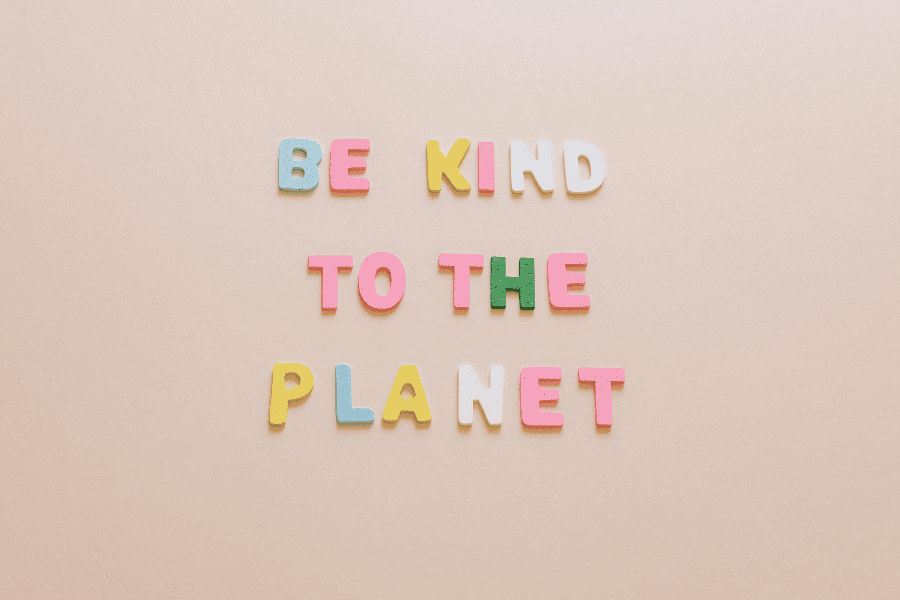
This is the only planet that we’ll give to our children, and the children of our children.
I am not saying that you have to make drastic changes all at once. I am far, far from having a zero impact on the environment.
But, whenever I can, I choose eco-friendly practices that have less impact on the environment.
Using fewer natural resources, such as by choosing reusable bags or public transit, is a great start. Reducing our environmental impact by making more sustainable choices supports our environmental health in the long-run.
To me, that’s environmental self care that benefits my family’s health and mine.
Final Thoughts
I didn’t really think about the health of my immediate surroundings before it had a profound impact on my son’s health. I thought that, if I had a place to live and a steady income, I was protected and safe enough.
These things are still true. Many others cannot say the same.
But I wish I had taken a more thoughtful approach to our environmental wellness before my son got sick. I wish I had enough sense to clean those dirty radiator grills!
Please take a look around your space to see if any improvements can be made. Simple actions for environmental self care can bring significant benefits. Please consider that we all share this Earth, and that Earth love equals family love.